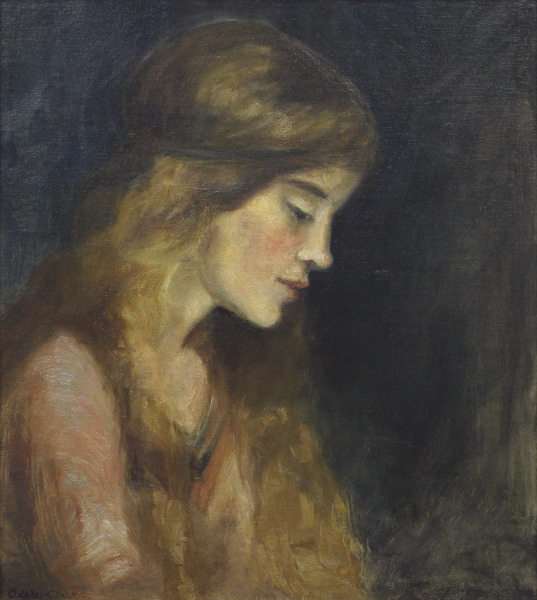
Adèle Clark
(1882-1983)
through Art
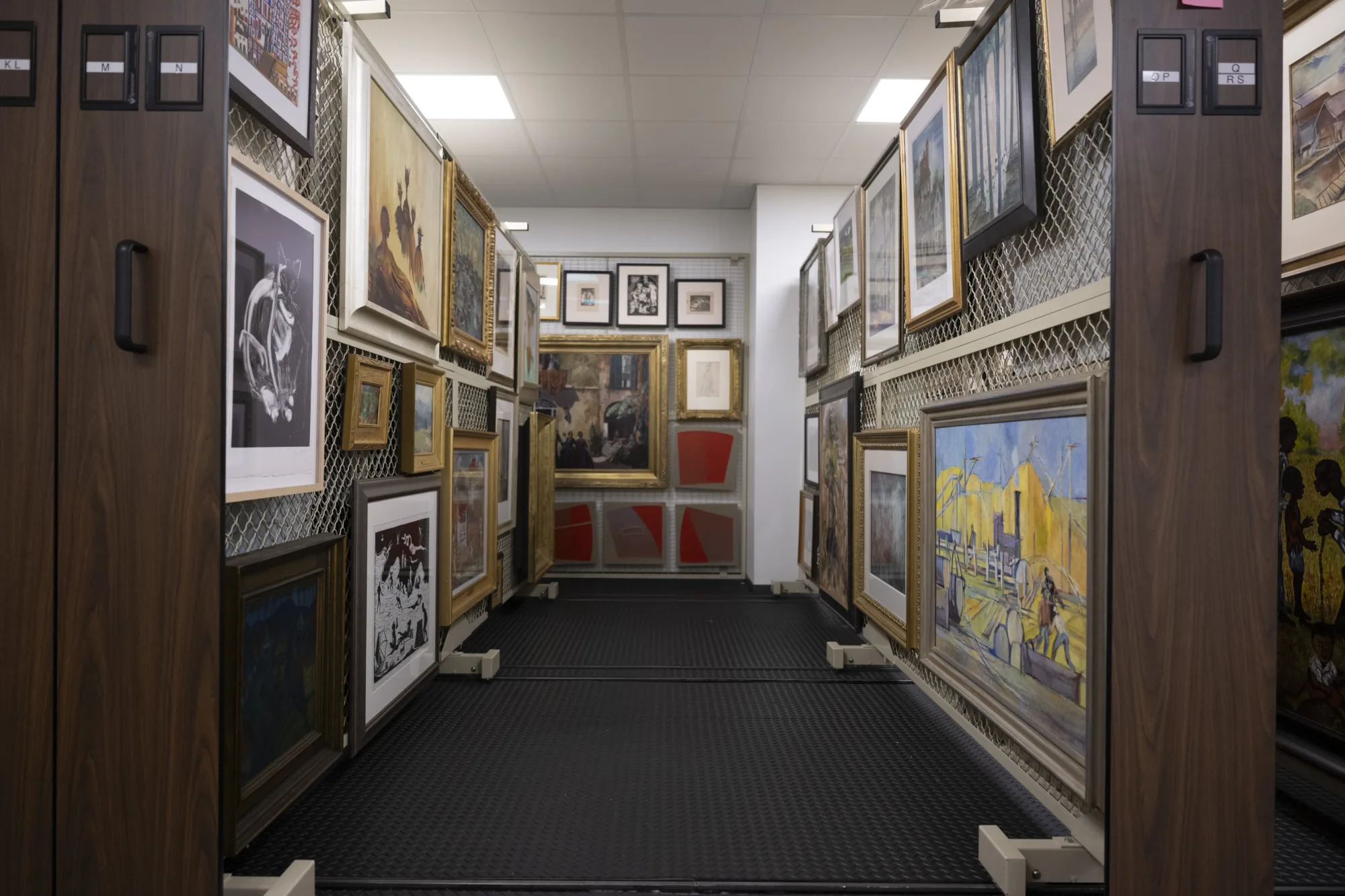
The Johnson Collection encompasses more than 1,400 works created over the course of more than two centuries and represents one of the most comprehensive collections devoted exclusively to Southern art.
The Collection reflects the extraordinary diversity of Southern artistic expression and reveals that Southern art is not defined by one style or perspective but by a rich exchange of histories, cultures, and lived experiences. TJC’s website offers detailed artist biographies and images for all its holdings—ensuring access for scholars and the public alike.
(1882-1983)
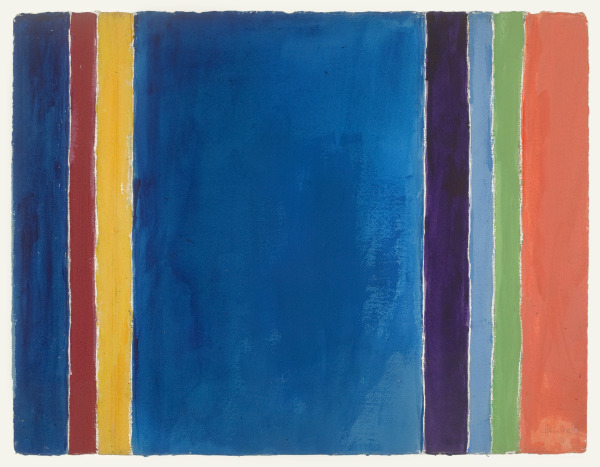
(1891-1978)
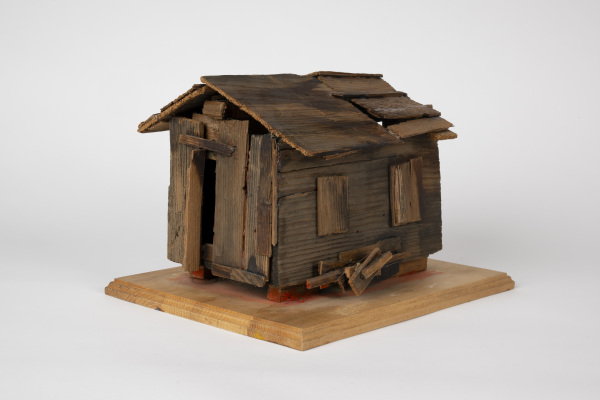
(1940-2015)
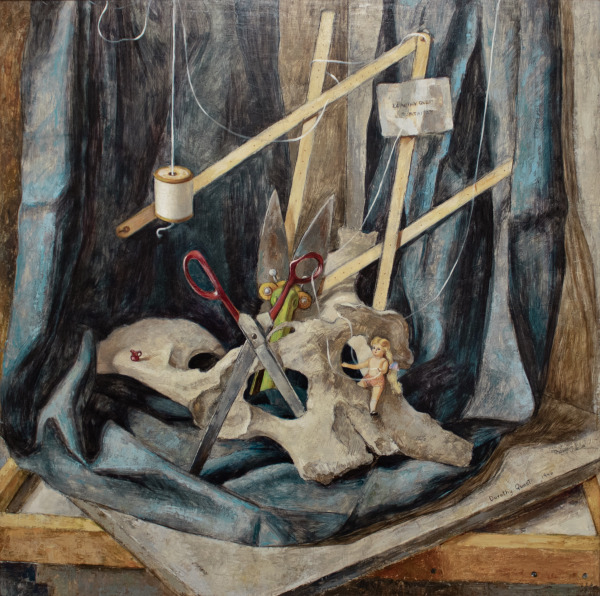
(1909-1995)
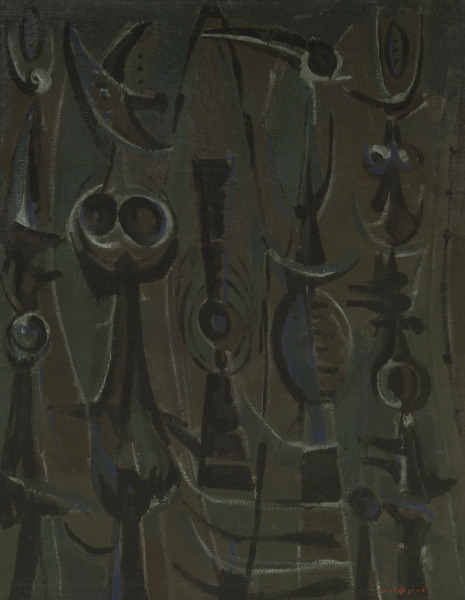
(1914-2003)
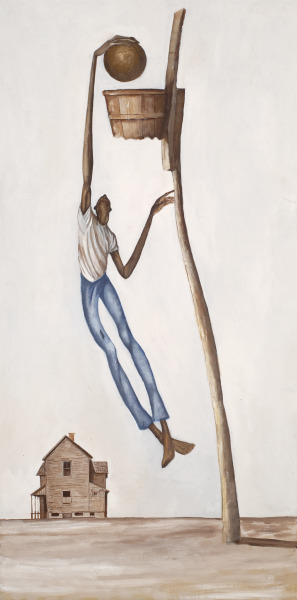
(1938-2009)
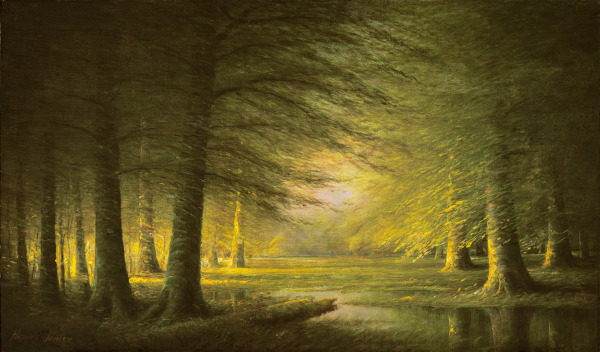
(1852-1932)
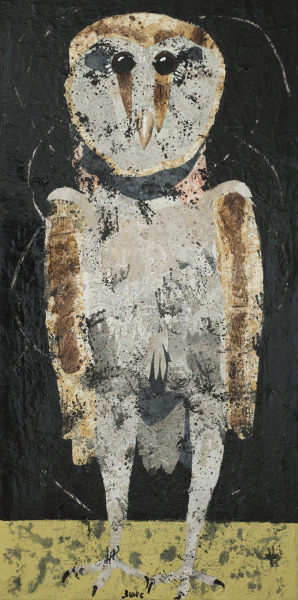
(1903-1972)
The Collection includes significant examples of early Southern art, with particular strengths in portraiture, still life, and landscape painting from the late eighteenth and early nineteenth centuries. These works document the cultural, social, and economic structures of the region during its formative years. Landscapes and topographical views capture the Southern environment, while portraiture reflects systems of patronage, identity, and status. Together, these works establish a foundational visual record of the early South.
Holdings from the nineteenth century explore the complexities of the antebellum South and the profound transformations that followed the Civil War. The Collection includes paintings and works on paper that engage with themes such as plantation life, westward expansion, industrialization, and Reconstruction. Importantly, these works are interpreted critically, acknowledging both their aesthetic qualities and their embeddedness within histories of slavery, conflict, and social change.
A major strength of the Collection lies in its representation of Southern modernism. Artists working from the early to mid-twentieth century are represented through paintings, drawings, prints, and sculpture that reflect experimentation with form, abstraction, and regional subject matter. These works demonstrate how Southern artists engaged with national and international modernist movements while maintaining distinct regional perspectives. The Collection highlights the diversity of modernist expression across the South.
The Johnson Collection actively collects and interprets works by self-taught and vernacular artists, recognizing their central role in the cultural fabric of the South. These works often draw upon personal experience, local traditions, and community narratives, offering alternative frameworks to academic art traditions. By including these artists, the Collection broadens the definition of artistic production and challenges conventional hierarchies within art history.
The Collection includes works by artists connected to Black Mountain College, the influential experimental institution in North Carolina that operated from 1933 to 1957. These artists played a pivotal role in shaping modern and contemporary art in the United States. Their inclusion underscores the South’s importance as a site of artistic innovation and intellectual exchange, linking regional practice to global artistic developments.
Contemporary holdings focus on artists who engage critically with Southern identity and its complexities. Works address themes such as race, gender, memory, place, and environmental change. Through diverse media and approaches, these artists interrogate historical narratives and offer new perspectives on the region’s past and present. This area of the Collection is dynamic and continues to expand in response to current artistic practices and cultural conversations.

By lending our masterworks to exhibitions and publications, TJC seeks to deepen the understanding and appreciation of Southern art and it’s place in America’s cultural narrative.
TJC Loan Program
The Johnson Collection develops original exhibitions that explore the richness and diversity of the American South through innovative scholarship and thoughtful interpretation.
ExhibitionsAt home in Spartanburg, The Johnson Collection is pleased to share its art with neighbors and visitors at various public locations.